What does an easy life really mean?
2026 Day 158. #PersonalDays.
The Laws of Human Nature was an excellent book in understanding why majority of people do the things they do. It was an interesting read on understanding cues and micro-expressions in determining the true intentions of a person and how to deal with the eccentric types.
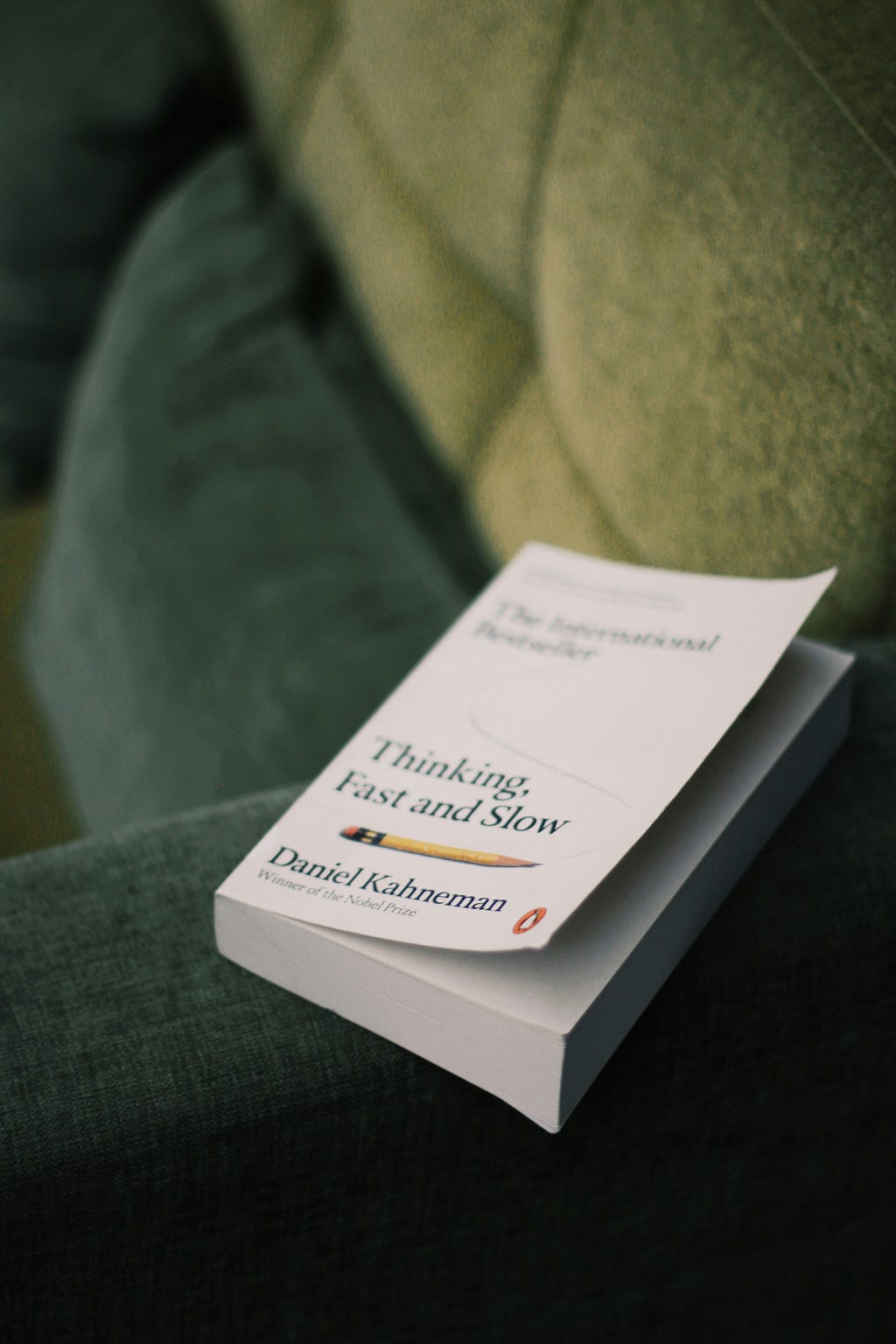
My next read, Thinking, Fast and Slow by Daniel Kahneman has been an excellent follow up book. By viewing the same ideas as Robert Greene, but through the lens of a psychologist, experimenting to determine the science of decision making has churned up some thoughts.
One of the most interesting ones is about leading a plain and simple life. People often say they would prefer a quaint and dull life over a busy one, but what are some of the deeper possibilities of wanting such ideas and what exactly is an easy life?
For context, Daniel explains the decision making habits of our brain by dividing it into two systems.
System 1.
This one is responsible for thinking fast. This is the system to use to make small talk, find quick connections between things, and at the same time it holds a lot of bias. It can be easily manipulated by emotions and relies on subtle connections and hints to work,
System 2.
This is the slower side of you. This is the system that calculates how much change you are owed after your payment. It takes time and effort to arrive logically at answers and is less prone to being manipulated.
A good example is the work of a data analyst.
A data analyst uses System 2, to clean, extract, load, and visualise the data. It can be a complex procedure (involves scripting or use of specialised apps) and the person must rely on their previous experience and employ diligence in maintaining data integrity.
Once the data is ready to be analysed, the analyst can quickly go over it and expect certain patterns and conclusions. This initial guesstimation is the work of System 1. It looks at the data quickly, sees a vague pattern and instantly (without too much effort) wants to arrive at a solution.
If an analyst does not ignore the initial bias, their analysis may be flawed. They need to use their System 2 again to minimise the bias and get untainted results.
In conclusion — System 1 likes low effort, pattern recognition based quick answers and System 2 makes an effort, tries to be as logically correct as it can.
System 2 takes more effort to run than System 1. It employs you consciously working through the problem step by step and verifying it as you go through it. Thus everyone is more likely to want to use their System 1 over System 2, Daniel also states so multiple times across his book.
When people say they want an easy life, that means they want to rely more on their System 1 than System 2 (as is the natural tendency).
I theorise that this is where in the mistakes lie. Your brain needs constant stimulation to not be bored and stay healthy. The more you challenge it, the better it gets. This also means that you are putting in more effort than ever.
Others feel the effort is not worth it, engaging in things that keep you from boredom at minimal effort (short term video content, slop games, etc.) that do not challenge your visual, reflex, motor, or co-ordination skills can dull your senses. You might feel it is indeed easier, because you have lent yourself to a calmer, easier path which makes the slightly difficult path seem much harder.
A great analogy is the idea of gym and fitness.
Life is easy without trying to make time for the gym and dedicated time away from relaxing on your bed.
Going to the gym might not be physically hard, but in between work, social commitments, and busy schedules, it can be mentally exhausting to think about the task.
So, some people end up never going to the gym. They are not fit, but they are not in a bad shape either. They feel somewhat content and feel going to the gym is not worth it for them because they are not obese. They settle in into their easier lives.
Similarly we tend to think about our mental state and ideas. We want to minimise the effort we put in because using our brains requires effort, and we are not used to paying so much attention to matters. We want matters that resolve with minimal mental intervention.
This is something that I face personally as well.
I always considered myself as some who got distracted easily, more so in the recent years. Based on my recent reading, I looked at my behaviour closely.
Often when faced with a bug (or an issue) my brain would choose one of two thins.
Idea 1 — Dig in. Enter a flow state and sit in my chair to solve this problem, everything else in life can wait.
Idea 2 — Get on my phone, play a round of chess, look at a short reel, or just check my notifications hoping the problem would magically go away when I would look back at my screen.
While this is an isolated example I wonder if this is also how I have been acting towards the problems in life. Instead of facing them, thinking logically and working through them, I either end up completely ignoring them or make a quick decision that I felt was right in the moment.
I am now going to make a conscious effort to recognise this habit and mitigate it if it exists. This will lead me to an easy life.
See you tomorrow.